From Farmers Market Stall to National Television
The Soup Box
How one five-week community stall made it onto TODAY.
The Goal
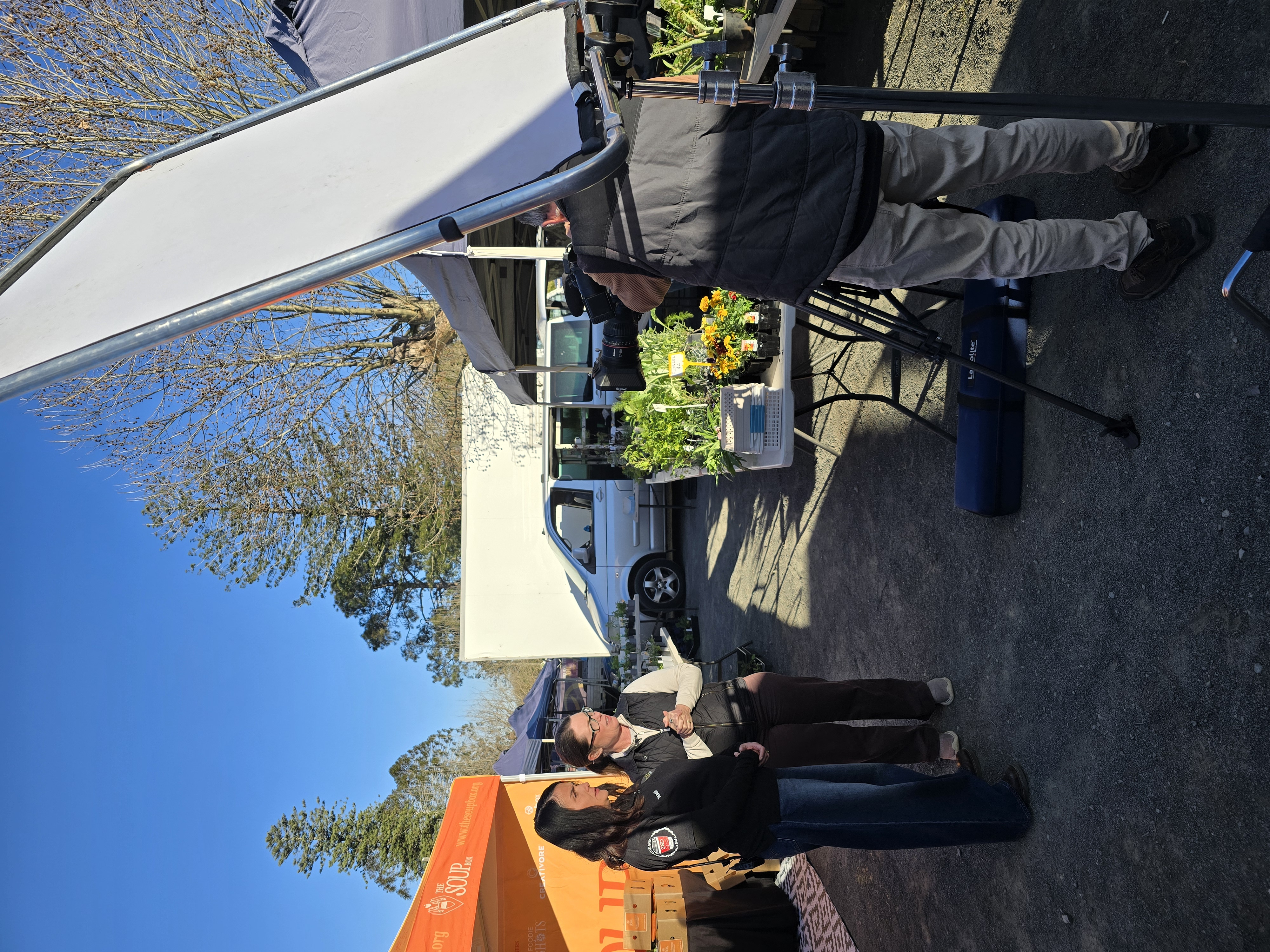
To share The Soup Box story far beyond the market, and to teach founder Kat Lynn how to tell that story on social media with confidence.
What We Did
- Taught Kat how to share the story on socials, from the ground up with a brand new Facebook page.
- Pitched the story to national and local media.
- Captured behind-the-scenes content and supported the page through the five-week stall.
The Result
- Live national broadcast on Weekend TODAY.
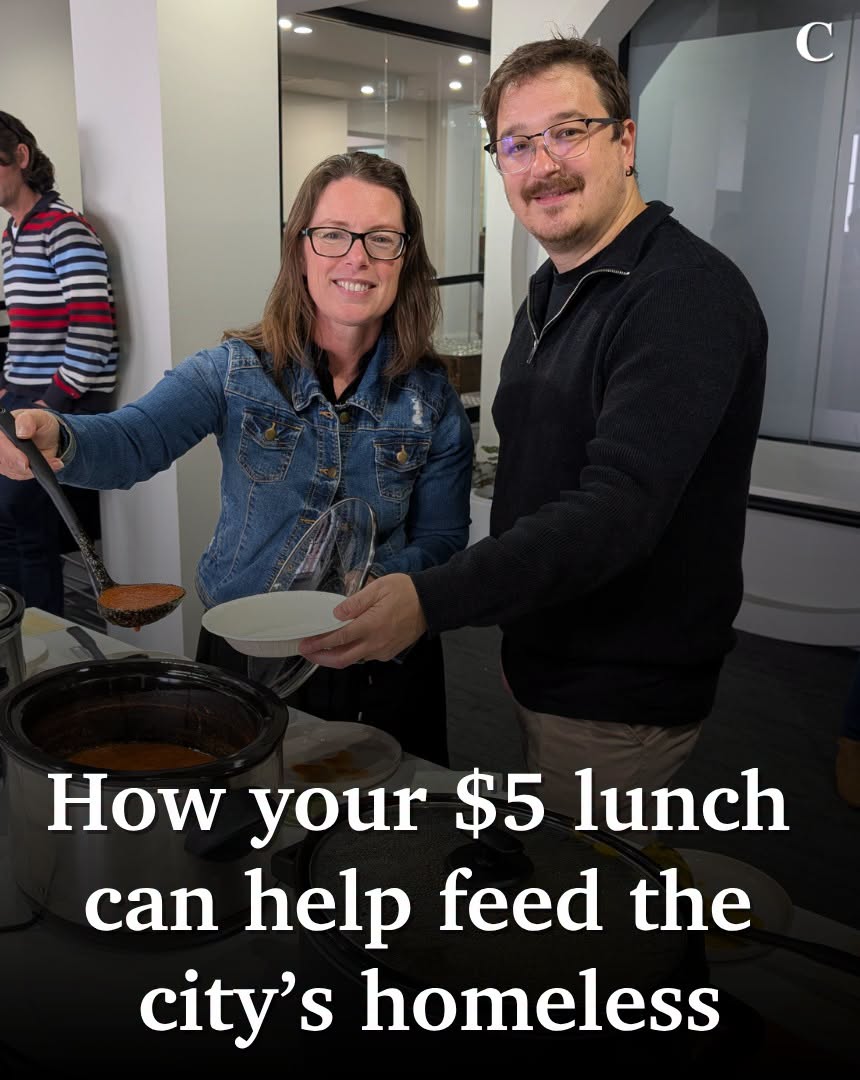
- Local coverage on 7News Toowoomba and The Toowoomba Chronicle.
- A brand new Facebook page that gained 518 followers in five weeks.
- The 2026 stall wrapped with 218 boxes of fresh produce donated, an estimated 6,540 additional meals, and an extra $7,350 returned to local farmers.
- Across four years of operating just five weeks a year, that adds up to about $31,000 returned to farmers and just under 21,000 estimated meals.
The Story
Have you heard of The Soup Box? Here is how it works. People buy fresh produce from farmers at the Toowoomba Farmers Market and donate it. Base Services turns it into meals for vulnerable people in our community. Farmers get paid, people get fed, and everyone who joins in feels part of something.
That is a story newsrooms want, but only if you pitch the heart of it, not the stall. The coverage came from understanding what The Soup Box is really about: local action that backs farmers, feeds community and builds connection. Once Kat could see that story clearly, sharing it online and with the media got a whole lot easier.
See It For Yourself

frequently asked questions
What is PR and media support?
PR is about getting your story in front of journalists, producers and editors so it's told by the media rather than by you. It might be a newspaper feature, a TV segment, a radio interview or an online article. It builds credibility in a way advertising can't, because someone else is vouching for your story.
What's the difference between PR and advertising?
Advertising is paid placement, where you control the message. PR is earned coverage, where a journalist decides your story is worth telling. That's why it carries so much trust, and why the angle matters so much.
Does my small business really need PR?
Not every business needs it, but many have a story the media would genuinely care about and haven't realised it. Media coverage can lift your credibility, open doors to speaking and partnerships, and bring the right people to your business. A conversation is usually enough to work out if there's something there.
What is a media release?
A media release (sometimes called a press release) is a standard announcement written once and sent to many outlets at the same time. It sets out what's happening, who's involved and why it matters. It's a handy way to put the facts on the record, but it's the same message for everyone.
What's the difference between a media release and a media pitch?
A media release is a blanket statement: one announcement, sent to lots of outlets. A media pitch is written for one specific journalist at one specific outlet. It's built around what their audience cares about and leads with the human story, so the journalist can see why it belongs in their publication or on their show.
Journalists receive plenty of generic releases, so a tailored pitch stands out. It shows you understand their outlet and gives them a reason to care. That's how I work: a media pitch tailored to each outlet, not a one-size-fits-all release.
Media Release Writing gives you a release ready to send. The PR Power-Up is where I pitch your story directly to the right journalists.
Why work with a former journalist?
I spent years on the other side of the inbox as a journalist and editor, deciding which stories were worth telling. I know what gets a second look and what gets deleted in seconds. That instinct for the angle is what I bring to your story.
What PR and media support services do you offer?
There are two options. The PR Power-Up is a one-time package to uncover your angles and pitch your story to the media. Ongoing PR Support is a monthly service with at least one tailored pitch every month, and room for more when a story is relevant and timely.
What does the PR Power-Up include?
The PR Power-Up is a one-time package, $1,495 + GST, that includes:
- A strategy session to uncover your angles and opportunities
- A pitch list tailored to your audience, niche and goals
- One custom media pitch, written and sent on your behalf
- Branded media release copy and formatting
- Up to 5 publications or outlets contacted directly
- Tracking and follow-up communications
- A 30-day results check-in
What does Ongoing PR Support include?
Ongoing PR Support starts from $995 per month + GST and includes at least one tailored pitch a month, with flexibility for more when a story is relevant and timely. It also includes:
- Monthly pitch creation and outreach
- Media calendar planning and integration
- Interview prep and message refinement
- Story shaping support as new opportunities arise
- Reporting and response tracking
Is Ongoing PR Support available to everyone?
It's very selective, so it's not available to everyone. All outreach is story-led and tailored to each publication, with no mass pitching.
How do you find my story angle?
It starts with a conversation. I ask questions, listen for the human moment and look for what makes your story different, timely or emotional. The strongest pitches lead with the feeling and use the facts as proof, because that's what makes a journalist care.
I don't think my business has a story. Can you still help?
I hear this a lot, and the story is usually hiding in plain sight. The thing you think is ordinary can be exactly what a journalist is looking for. If we talk and there isn't a strong angle right now, I'll tell you honestly.
Can you guarantee media coverage?
No, and I'd be wary of anyone who does. Journalists and editors make their own decisions, and no one can promise a story will run. What I can promise is a strong angle, a well-crafted pitch and genuine effort to put your story in front of the right people.
AS TRUSTED BY








Ready to Begin?
Start where you are. Choose what fits. And let’s go from there.

Let's Connect


Privacy Policy ~ Terms of Use ~ Terms of Service
© 2026 MJ Communications